1837 ONWARDS
Birth, marriage and death
The General Register Office has all records registered in England and Wales from July 1837. Its online index covers historic births to 1934 and deaths to 1957.
Where to start doodlegen
00WHAT THE ARCHIVES SAY
Every family tree starts with the nearest branch.
In England and Wales, a handful of record sets carry most family history research: birth, marriage and death certificates, the census, the 1939 Register and parish registers. Each one reaches a little further back than the last.
Pick an era01Principles
02THE SHORT ANSWER
Each record set covers a different stretch of time.
Used together they can link one generation to the next.
1837 ONWARDS
The General Register Office has all records registered in England and Wales from July 1837. Its online index covers historic births to 1934 and deaths to 1957.
Where to start1841 TO 1921
The census has been taken every ten years since 1801, except 1941. 1841 was the first to list every individual's name, and the returns from 1841 to 1921 are online.
Compare the recordsBEFORE 1837
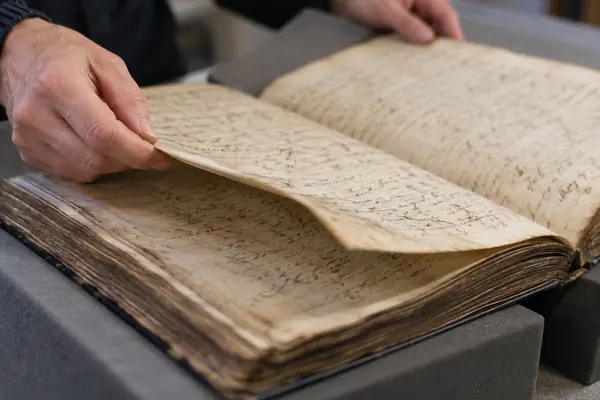
As part of the Reformation changes, parish churches had to record baptisms, marriages and burials after 1538. Early entries are often brief, and some are in Latin.
Reading old registers03A QUICK RECORD CHECK
Pick a record to see what it usually contains. The bar shows how much personal detail you can expect, from bare names to ages, jobs and family links.
Based on The National Archives' census and 1939 Register guides and Gloucestershire Archives' guide to parish registers.
04TWO NUMBERS WORTH KNOWING
One figure on the 1939 Register,
one on how long census returns stay closed.
≈ 40 million
People recorded in the 1939 Register for England and Wales
Taken on 29 September 1939, it holds details of around 40 million people in more than 65,000 volumes. With the 1931 census destroyed by fire and none taken in 1941, it is the most complete survey between 1921 and 1951.
1939 REGISTER · THE NATIONAL ARCHIVES
100 years
How long later censuses stay closed to the public
Censuses after 1921 remain with the Office for National Statistics and stay closed for 100 years after the date they were taken. That is why 1921 is the latest census you can search.
CENSUS CLOSURE · THE NATIONAL ARCHIVES
The National Archives notes that some pages are missing from every census, and 1861 has suffered most. Its catalogue lists parishes and districts known to be missing.
05FOUR STEPS TO TRY
This order follows the records themselves, newest first, so each find gives you names and places to look for in the next.
Search the GRO online index of historic births (1837 to 1934) and deaths (1837 to 1957), or view references free on FreeBMD.
Use the index reference to order a birth, marriage or death certificate from the General Register Office.
Work from 1921 back to 1841 to see households every ten years, with ages, jobs and birthplaces.
Before July 1837, look at parish registers of baptisms, marriages and burials, many now digitised by local archives' partners.
06READING OLD REGISTERS
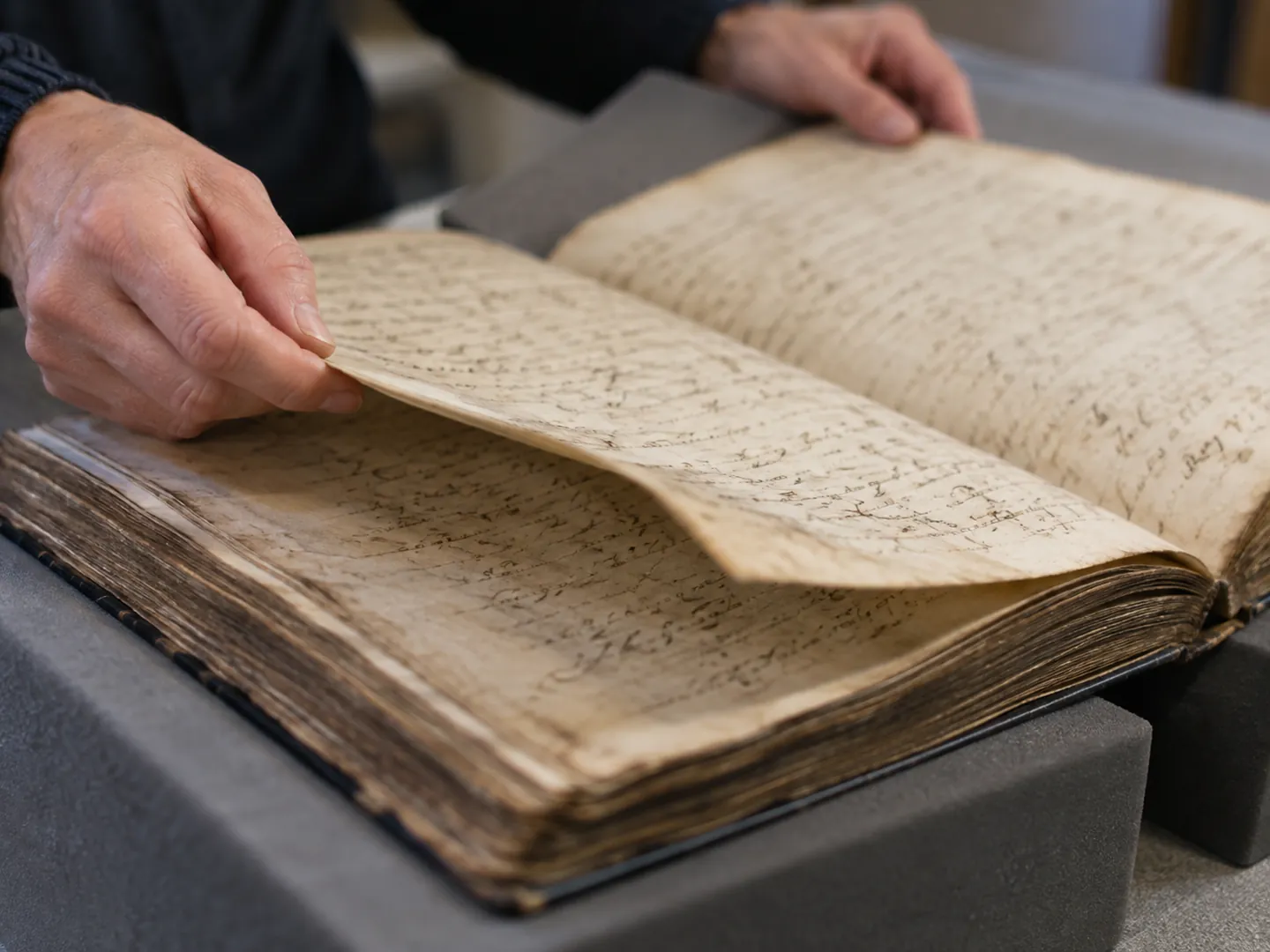
Before 1752 the year started on 25 March, Lady Day, so dates from 1 January to 24 March belong to the year before. Gloucestershire Archives advises checking both years. Registers before 1754 often mix baptisms, marriages and burials in one volume.
From 1754 to 1837 everyone except Quakers and Jews had to marry in the parish church, so marriage registers also include nonconformist couples. Entries kept during the Civil War and Commonwealth period can be incomplete.
07Questions
The General Register Office has all records registered in England and Wales from July 1837. To trace back further, you need parish records. Scotland and Northern Ireland have a different process.
The censuses for England and Wales from 1841 to 1921 are available online. Later censuses stay closed to the public for 100 years after they were taken.
There are many reasons. Some pages are missing from every census, and 1861 has suffered most. Ages in 1841 were also rounded down to the nearest five years for those aged 15 or over.
A record of the civilian population of England and Wales taken on 29 September 1939. It was used to produce identity cards and ration books, and gives exact dates of birth.
Parish churches had to keep registers of baptisms, marriages and burials after 1538. Surrey History Centre says most of its registers from 1538 onwards can now be searched online.
08Sources
ABOUT THIS NAME
doodlegen.com is part of the DoodleSale portfolio. It isn't in an auction right now, but you can ask about leasing it.